


Understanding Traditional Argentine Gaucho Clothing
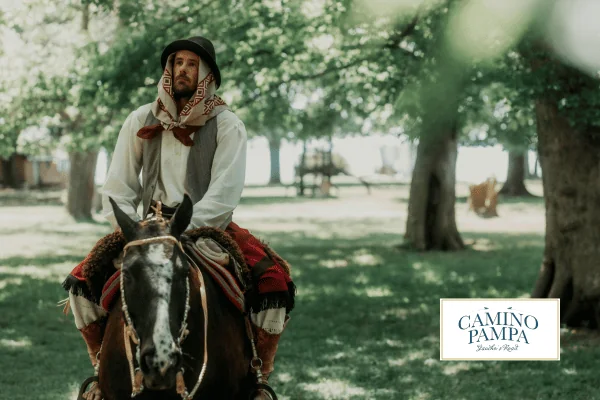
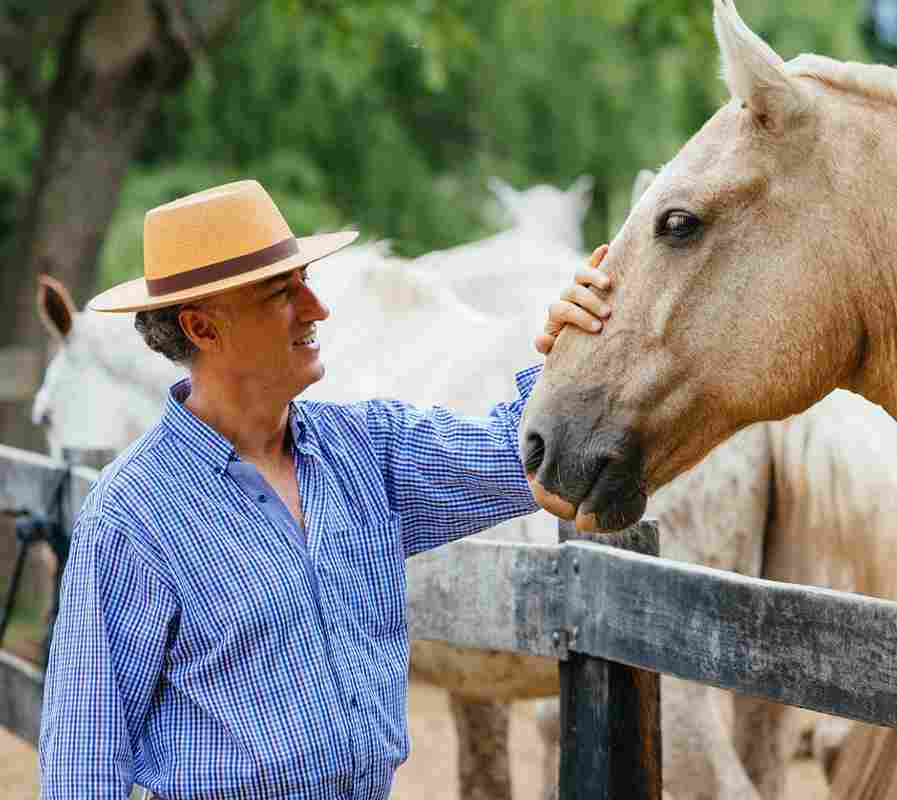
When you look at a Gaucho, you aren’t just seeing a style; you are seeing a survival system designed for the Pampas. Unlike the Hollywood depiction of Western wear, traditional Gaucho clothing is built strictly for function, mobility, and the harsh, humid climate of the South American plains.
Every piece of gear, from the boina on our heads to the alpargatas on our feet, tells a story of heritage. As someone who rides these fields daily, I can tell you that this isn’t a costume—it’s workwear that has withstood three centuries of history.
Bombachas de Campo: The Anti-Jeans
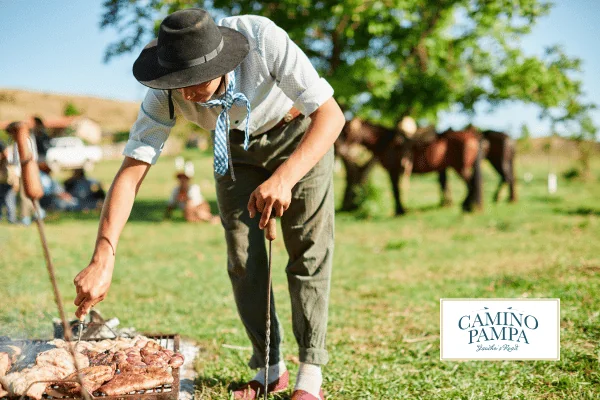
If there is one item that defines the Gaucho look, it is the bombachas de campo. While American cowboys rely on denim jeans, we wear these distinctive, loose-fitting trousers made from strong cotton.
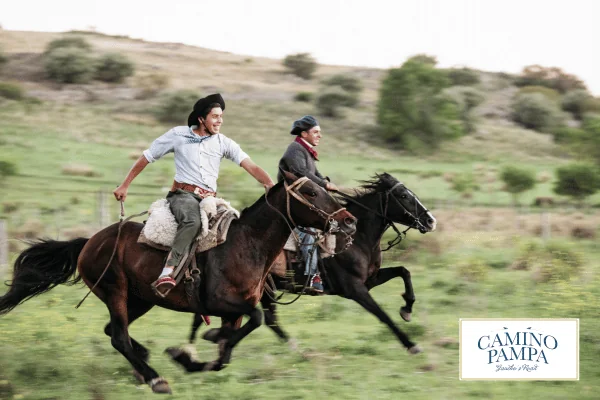
The design is genius in its simplicity. They are wide at the top for complete freedom of movement while riding, but they button tight at the ankle. This ensures the fabric doesn’t snag on brush or get caught in the stirrups. In summer, they are breathable; in winter, the heavy fabric blocks the wind. Once you ride in bombachas, you never go back to denim.
The Footwear: Botas de Potro and Alpargatas
Depending on the task, a Gaucho rotates between two very different types of footwear.
Alpargatas (Espadrilles)
For casual work around the estancia or relaxing by the fire, we wear alpargatas. These are simple canvas shoes with a jute or rope sole (modern versions often use rubber). They are lightweight, silent, and incredibly comfortable. Think of them as the original slip-on shoe of the countryside.
Botas de Potro & Leather Boots
For riding, we need protection. Historically, the Bota de Potro was made from the leg skin of a colt, molded seamlessly to the rider’s leg. Today, most of us wear tall leather riding boots. Unlike stiff western boots, these are often softer, allowing for better feel and communication with the horse’s flanks.
The Waist: Faja and Rastra
The midsection of the Gaucho is where utility meets status. We don’t use standard belt loops.
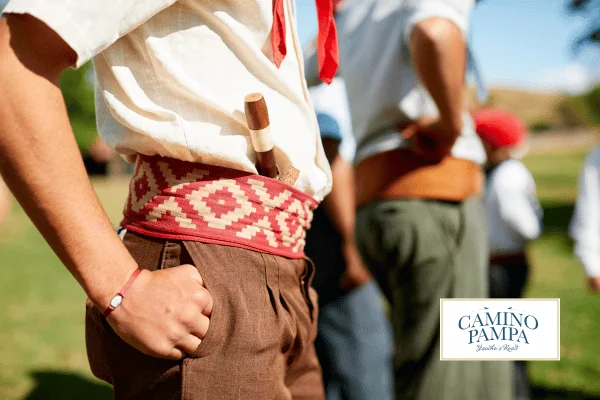
- The Faja: This is a long, woven sash wrapped tightly around the waist and lower back. It acts as a back support for long days in the saddle, functioning similarly to a weightlifting belt.
- The Rastra: Worn over the faja, this is a wide leather belt adorned with coins (often old silver pesos) or silver chains. The centerpiece represents the Gaucho’s wealth and pride.
Tucked into the back of the faja/rastra is where we carry the facón (the Gaucho knife), positioned horizontally for quick access and comfort while riding.
The Poncho: Shelter and Shield
The Poncho is arguably the most versatile garment in history. It is a large, rectangular piece of woven wool with a slit in the center for the head.
On the horse, it protects the rider from rain and cold winds. At night, it becomes a heavy blanket for sleeping under the stars. In the past, during a duel, a Gaucho would wrap the poncho around his forearm to use as a shield against an opponent’s knife. The patterns and colors often signify the region or province the Gaucho hails from.
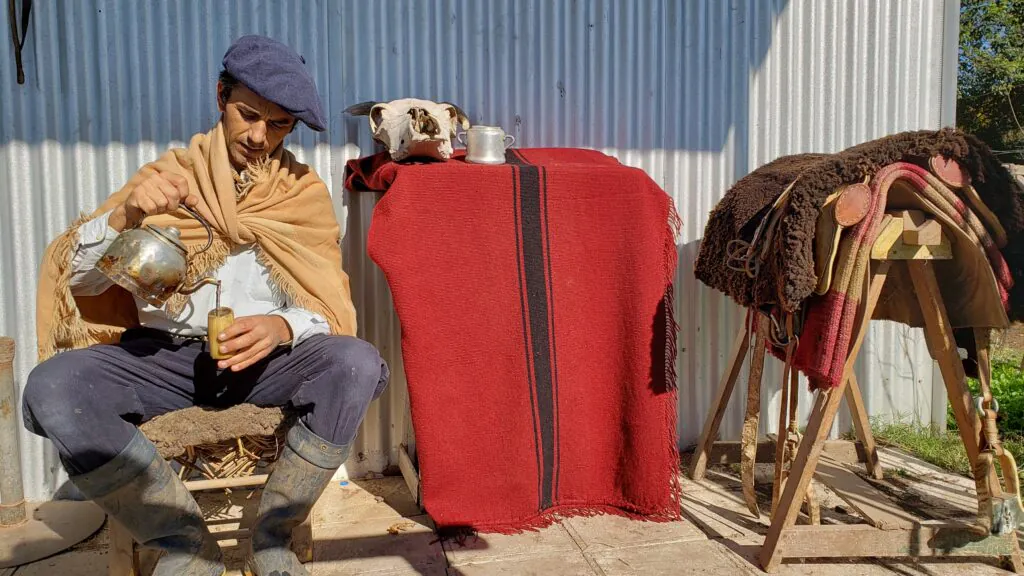
Headgear: Boina vs. Sombrero
While you will see wide-brimmed hats (sombreros) similar to the Spanish style to block the strong sun, the Boina is incredibly common in Argentina.
The Boina is a wool beret, brought over by Basque immigrants in the 19th century. It was rapidly adopted by Gauchos because it stays on the head in high winds better than a brimmed hat and can be pulled down to protect the eyes or ears. It is a staple of rural life.
The Pañuelo (Scarf)
Finally, no outfit is complete without the silk pañuelo tied around the neck. The color used to signify political allegiance (red for Federales, white for Unitarios). Today, it is mostly aesthetic, but it still serves to protect the neck from sun and dust, or to be soaked in water to cool down on a hot day.
Share in socials
WANT TO KNOW THE 'GAUCHO ARGENTINO'? BOOK A TOUR!
You may also be interested in:

The Best Cultural Tours in Argentina for First-Time Visitors
First-time visitors to Argentina face a specific problem: too many options, most of them mediocre, and almost no way to…
Estancia Vigil: A Testament to Argentine Winemaking Excellence
How did Alejandro Vigil's journey in winemaking begin? Alejandro Vigil's passion for viticulture ignited during his formative years in Mendoza,…
Vineyard near Buenos Aires Experience
Vineyard near Buenos Aires Experience The Legacy of Colonial Winemaking: A Journey Through Argentina's Vineyards Argentina is celebrated worldwide for…