


The Argentine Gaucho Don Segundo Sombra
Don Segundo Sombra: A Landmark of Argentine Literature
Published in 1926, Don Segundo Sombra is widely regarded as one of the greatest works of Argentine literature. Written as a coming of age story, the novel follows the young Fabio Cáceres as he learns the customs, values, and hardships of rural life under the guidance of the seasoned gaucho Don Segundo. More than a simple tale of life in the countryside, it is an exploration of identity, tradition, and belonging.
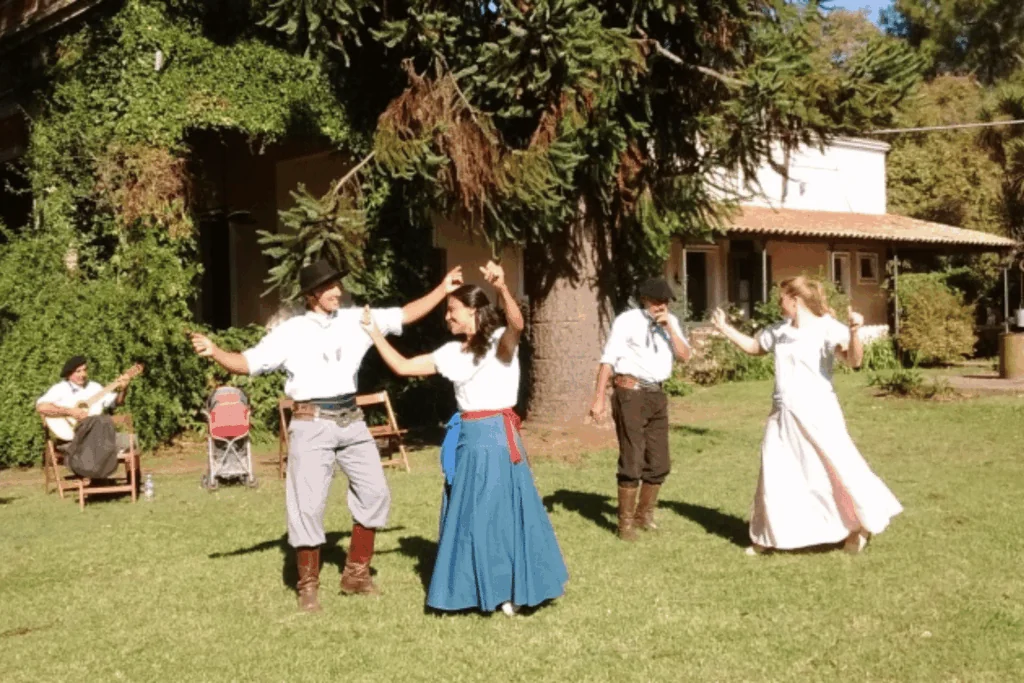
The novel captures a world that was already disappearing in the early twentieth century: the vast pampas, cattle drives, horse taming, and the unwritten code of honor that defined the gaucho way of life. Through poetic descriptions and authentic rural language, Ricardo Güiraldes transformed everyday experiences into literature of universal significance.
The dedication included in the 1948 Penguin edition reflects this deeply personal connection. Güiraldes addresses not only Don Segundo himself, but also fellow herders, wranglers, and the people of his homeland, ending with the memorable phrase: “To the gaucho I bear within me, sacredly, as the monstrance bears the holy wafer.” It is a tribute to a culture that the author feared might vanish with time
Ricardo Güiraldes: The Writer Behind the Myth
Ricardo Güiraldes (1886 – 1927) was born into an affluent Argentine family and spent much of his youth between Buenos Aires, Europe, and his family’s Estancia, La Porteña, in San Antonio de Areco. Despite his cosmopolitan upbringing, he developed a profound admiration for the traditions of the Argentine countryside and its people.
Güiraldes belonged to a generation of writers searching for an authentic national identity. At a time when Argentina was rapidly modernizing, he turned his attention toward the pampas and the gaucho, portraying them not as relics of the past but as bearers of enduring values such as loyalty, restraint, courage, and dignity.
Don Segundo Sombra became his masterpiece and the culmination of his literary career. Published only a year before his death in Paris in 1927, the novel has often been interpreted as both a farewell to a disappearing rural world and a personal reflection on mortality, memory, and legacy. Today, it remains an essential work of Hispanic American literature.
Don Segundo Ramírez: The Man Behind the Legend
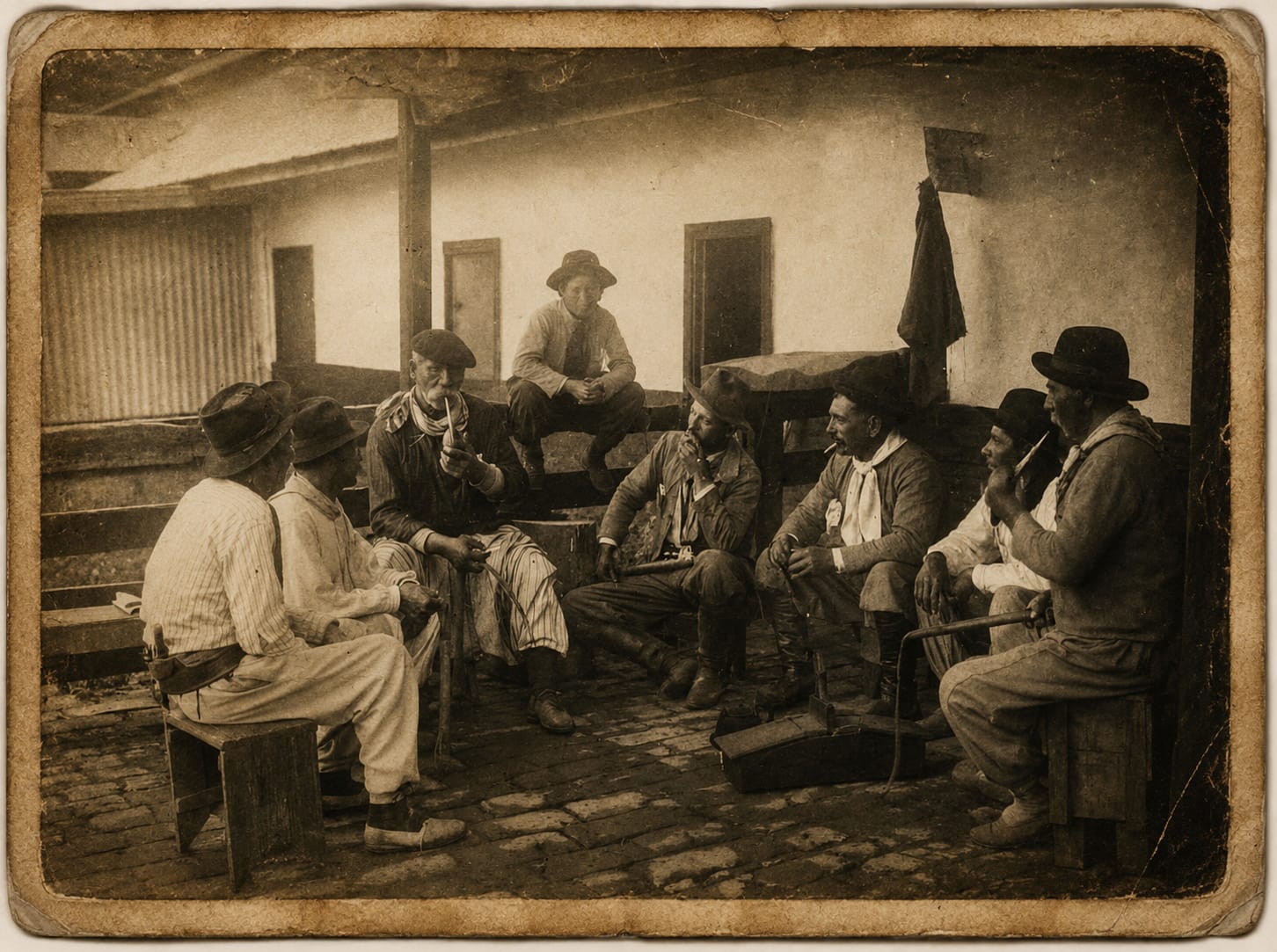
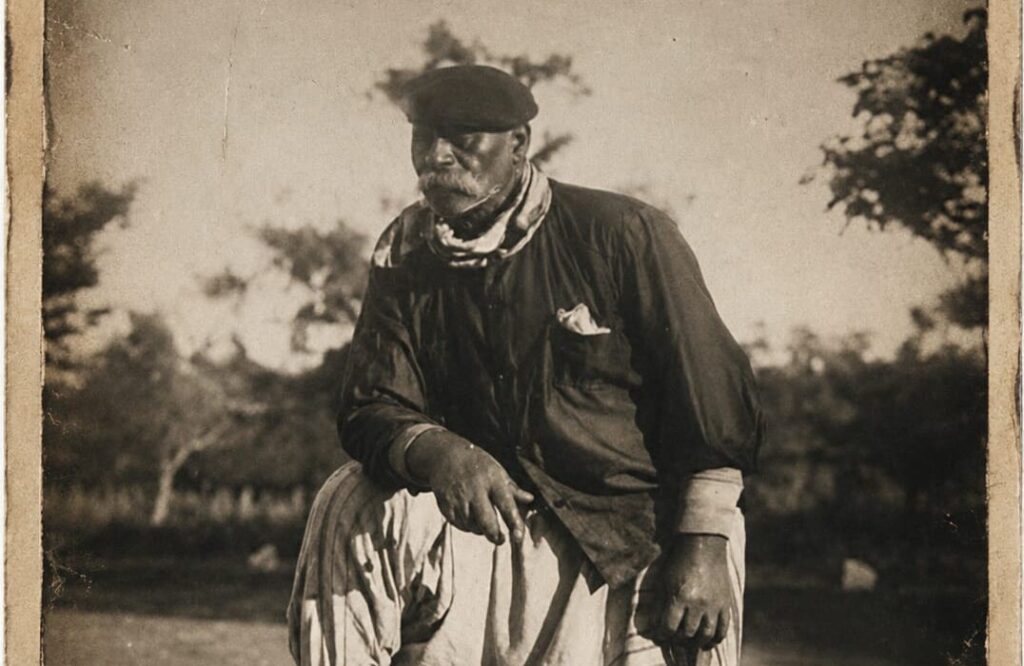
Although Don Segundo Sombra is a literary character, he was inspired by a real man: Don Segundo Ramírez, a cattle drover and horseman who lived in San Antonio de Areco. Güiraldes met him during his years at La Porteña and found in him the embodiment of the traditional gaucho spirit.
Ramírez was known as a quiet and good-humored man, respected for his skills as a resero and for his deep knowledge of rural life. He was not a hero in the conventional sense, but rather a man whose wisdom was expressed through actions, silence, and example. These qualities profoundly influenced Güiraldes and shaped the fictional Don Segundo into a symbolic figure rather than a simple portrait of an individual.
Following the publication of the novel, Don Segundo Ramírez became an unexpected celebrity. Visitors traveled to Areco to meet the man who had inspired one of Argentina’s greatest literary characters. When Ricardo Güiraldes died in 1927, Ramírez joined the gauchos who escorted the writer’s remains to their final resting place in San Antonio de Areco, reportedly bidding farewell to him with the words: “Rest in peace, patroncito.” Their graves remain only a few meters apart, a lasting reminder of the bond between literature and lived experience.
Share in socials
WANT TO KNOW THE 'GAUCHO ARGENTINO'? BOOK A TOUR!
You may also be interested in:

The Best Cultural Tours in Argentina for First-Time Visitors
First-time visitors to Argentina face a specific problem: too many options, most of them mediocre, and almost no way to…
Estancia Vigil: A Testament to Argentine Winemaking Excellence
How did Alejandro Vigil's journey in winemaking begin? Alejandro Vigil's passion for viticulture ignited during his formative years in Mendoza,…
Vineyard near Buenos Aires Experience
Vineyard near Buenos Aires Experience The Legacy of Colonial Winemaking: A Journey Through Argentina's Vineyards Argentina is celebrated worldwide for…