


Doma India, the natural horsemanship of the argentine gauchos
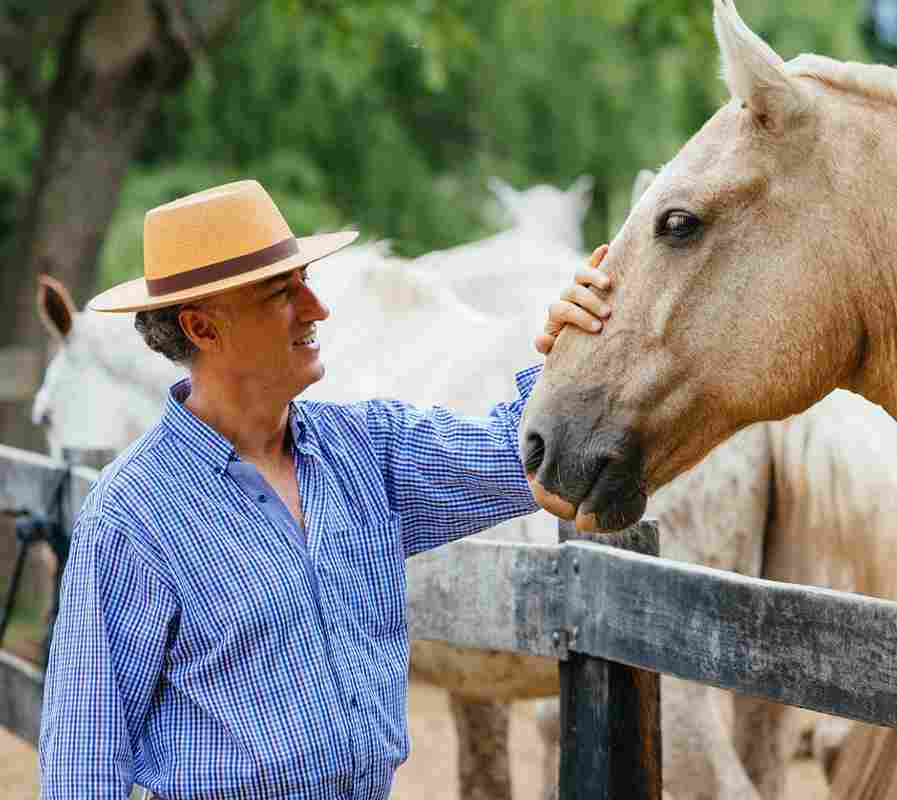
When you picture a cowboy “breaking” a horse in the American Old West, what comes to mind? Dust, ropes, force, and a battle of wills. Now imagine a different path—one built on patience, whispered words, and a handshake of trust between human and horse. This isn’t Hollywood fiction. It’s Doma India, a centuries-old tradition of natural horsemanship from the Argentine Pampas that redefines what it means to partner with a horse.
What Is Doma India?
Doma India (literally “Indian-style training”) is a gentle, non-violent method of horse training rooted in the wisdom of Argentina’s indigenous peoples (particularly the Ranquel communities). Long before modern “natural horsemanship” became a global movement, these horsemen understood a profound truth: a horse won’t follow you out of fear, but it will walk beside you out of trust.
Unlike traditional “breaking,” which seeks to dominate the animal through force, Doma India (also called “mansedumbre”) is a year-long dialogue. It’s not about conquering the horse’s spirit—it’s about inviting it to collaborate.
While the horse was originally introduced to South America by the Spanish, it was the indigenous peoples who truly perfected the relationship with this noble animal—developing a non-violent training style that yields superior results in terms of trust, connection, and partnership. Through patience and deep observation, they taught their horses extraordinary skills:
🔹 To gallop with a boleadora (traditional throwing weapon) swirling nearby, without spooking
🔹 To run confidently across shifting sand dunes (médanos)
🔹 To swim calmly across lagoons or swift, wide rivers
🔹 To leap over ditches, steep ravines, or wooden palisades
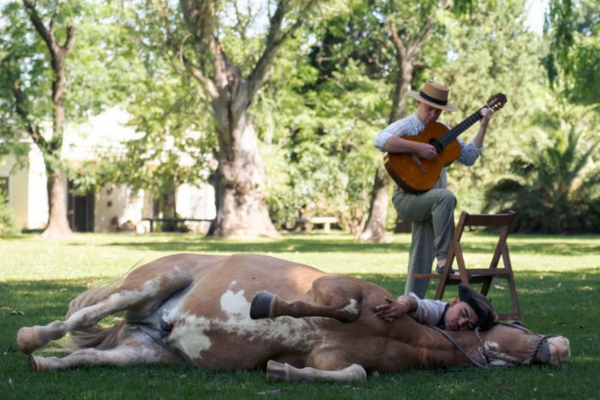
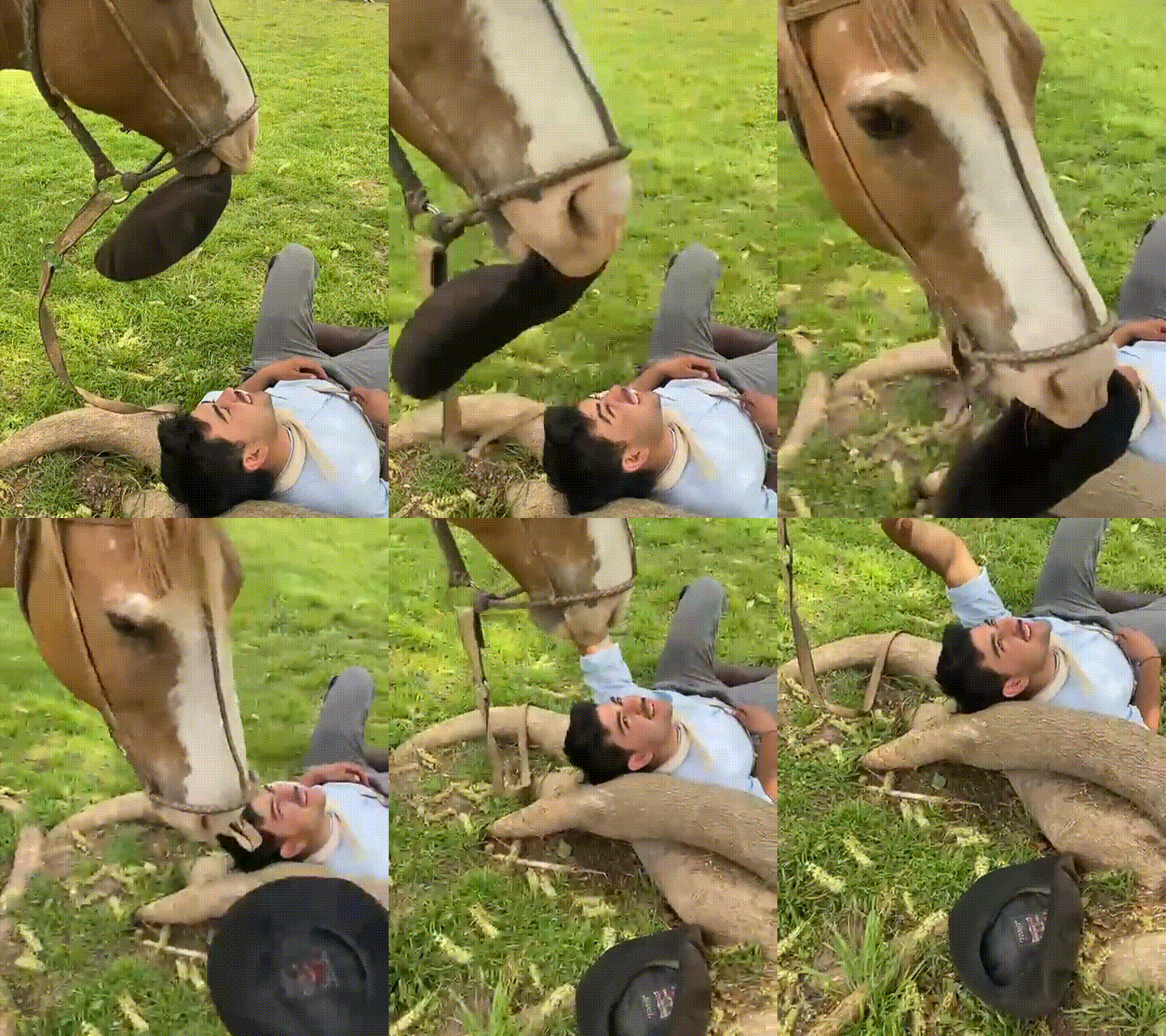
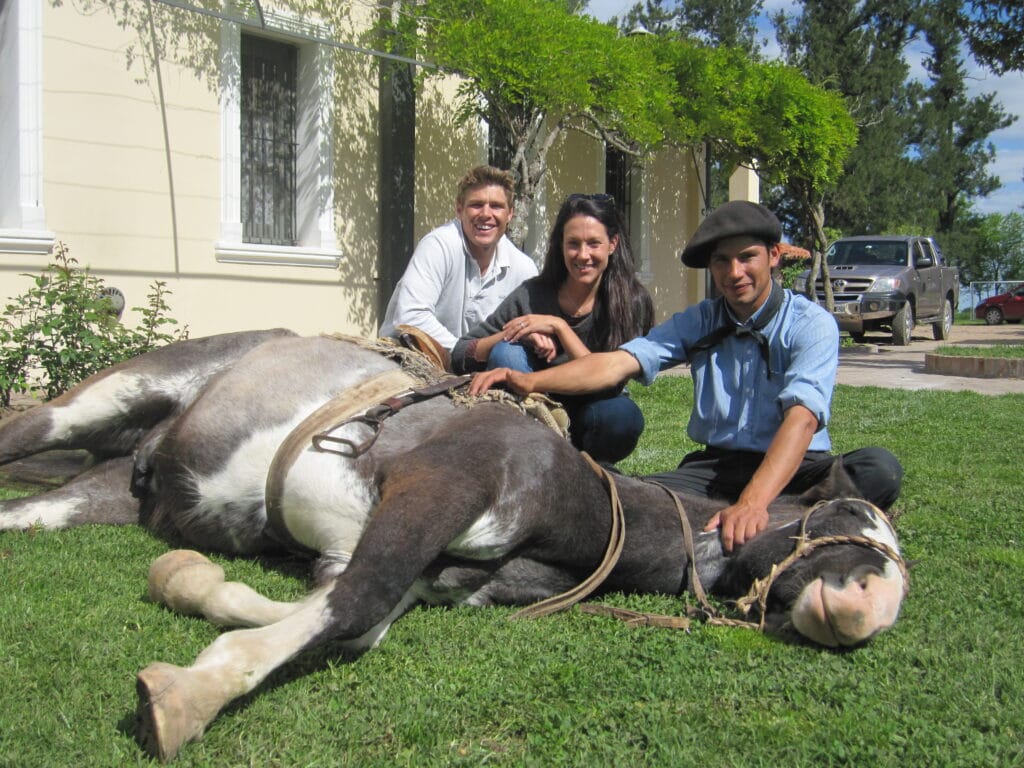
🔹 To lie down quietly amidst tall native grasses (pajonales) on command
🔹 To respond to subtle leg cues—steering and stopping without reins
🔹 To remain perfectly still for extended periods, whether standing or lying down
🔹 To come when called by distinctive sounds: whistles, calls, or vocal signals
🔹 To serve as a living lookout post (mangrullo), standing steady while the rider scans the horizon
This wasn’t just training—it was a dialogue. A partnership forged not through domination, but through mutual respect and shared purpose. The result? A horse that doesn’t obey out of fear, but chooses to follow because it trusts.
This tradition was inherited by the gauchos, who use the horse as a tool and partner in their daily lives, and it continues to be admired today by those who live a gaucho experience in Buenos Aires.
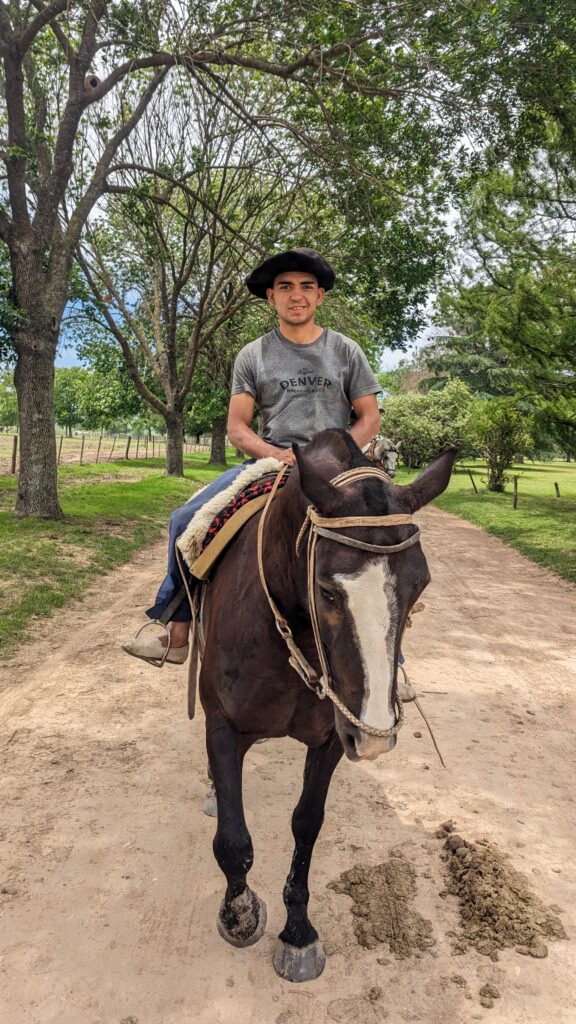
The Philosophy: Persuasion, Not Pressure
At its heart, Doma India rests on three pillars:
-Respect for the horse’s nature: Every horse has a unique personality. The trainer observes, listens, and adapts—never imposes.
–Communication without words: Using body language, rhythm, and calm energy, the gaucho speaks the horse’s language.
–Trust built through time: No shortcuts. No whips. No spurs. Just consistent, gentle presence.
As one master of the craft puts it: “Show the horse your soul, and he will show you his.”
Doma India vs. the “Far West” Myth
Let’s be clear: the dramatic image of a cowboy wrestling a wild mustang into submission makes for great cinema—but it’s not the only way, and arguably not the wisest.
| Traditional “Breaking” (Old West Style) | Doma India (Pampas Style) |
|---|---|
| Relies on force, restraint, and dominance | Relies on patience, observation, and invitation |
| Goal: Immediate obedience | Goal: Lifelong partnership |
| Horse obeys to avoid pain | Horse cooperates out of trust |
| Process can take days | Process unfolds over months |
| Risk of fear, resentment, or injury | Fosters confidence, calm, and willingness |
This isn’t about judging history—it’s about celebrating an alternative that honors the horse as a sentient partner. In a world increasingly drawn to ethical, mindful practices, Doma India feels remarkably contemporary.
Experience Doma India in the Heart of Gaucho Country
If this philosophy resonates with you, you don’t have to imagine it—you can witness it firsthand. At Camino Pampa, nestled in the legendary gaucho town of San Antonio de Areco (just a short drive from Buenos Aires), we offer an authentic Estancia Experience where Doma India isn’t just demonstrated—it’s lived.
During your visit, you’ll step into a working estancia, breathe in the scent of grass and leather, and watch as a gaucho and horse connect. There’s no performance for tourists here—just a genuine moment of cross-species understanding, passed down through generations.
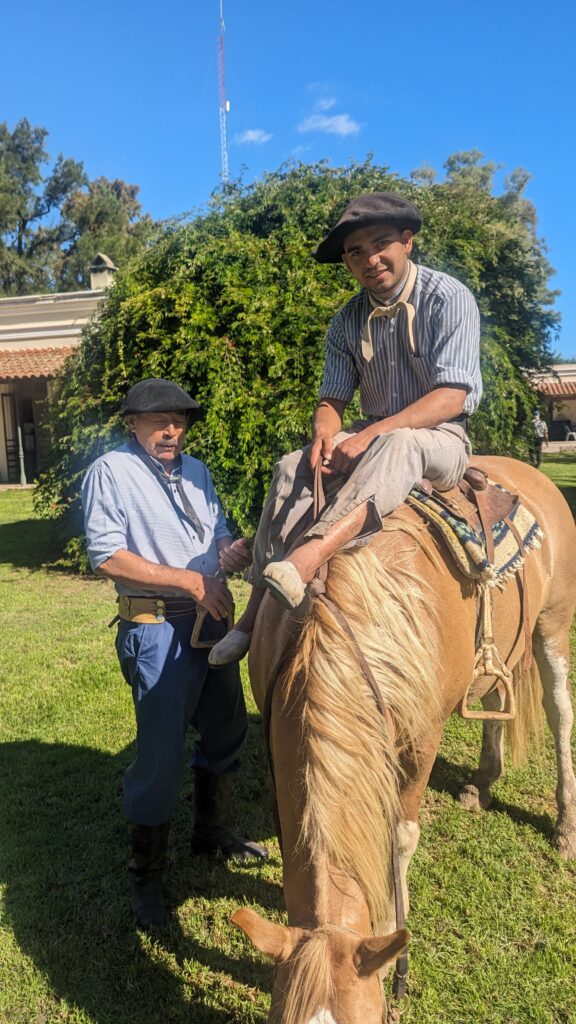
Meet Brian: The Gaucho Behind the Grace
One of the artisans who brings Doma India to life at Camino Pampa is Brian. With decades of experience working alongside horses, Brian embodies the spirit of this tradition: calm hands, attentive eyes, and a deep, abiding respect for the animals in his care.
For Brian, Doma India isn’t just a technique—it’s a relationship. He’ll tell you that every horse teaches him something new, and that the greatest reward isn’t a perfectly executed maneuver, but the moment a once-wary horse lowers its head and chooses to stand beside him.
“It’s not about making the horse do what I want. It’s about us discovering what we can do together.”
— Brian
Guests often leave Brian’s demonstrations not just impressed, but moved. In a world that moves fast, watching Doma India is a reminder that some of the most powerful connections are built slowly, gently, and with intention.
Why This Matters Today
Doma India offers more than a fascinating cultural insight—it invites us to rethink how we lead, collaborate, and build trust, both with animals and with each other. In an era where mindfulness, sustainability, and ethical travel are top of mind for many American explorers, this practice feels deeply relevant.
It’s also a celebration of Argentine heritage. While the gaucho is often romanticized as a lone rider on the horizon, Doma India reveals a subtler truth: the gaucho’s strength lies not in dominance, but in harmony.
Ready to Witness the Gentle Way?
If you’re planning a trip to Argentina—or simply dreaming of one—consider adding a Camino Pampa experience to your itinerary. Whether you’re a lifelong equestrian, a curious traveler, or someone who simply believes that kindness is a form of strength, witnessing Doma India is a moment you won’t forget.
Share in socials
WANT TO KNOW THE 'GAUCHO ARGENTINO'? BOOK A TOUR!
You may also be interested in:

The Best Cultural Tours in Argentina for First-Time Visitors
First-time visitors to Argentina face a specific problem: too many options, most of them mediocre, and almost no way to…
Estancia Vigil: A Testament to Argentine Winemaking Excellence
How did Alejandro Vigil's journey in winemaking begin? Alejandro Vigil's passion for viticulture ignited during his formative years in Mendoza,…
Vineyard near Buenos Aires Experience
Vineyard near Buenos Aires Experience The Legacy of Colonial Winemaking: A Journey Through Argentina's Vineyards Argentina is celebrated worldwide for…