


Best pork meat in Argentina
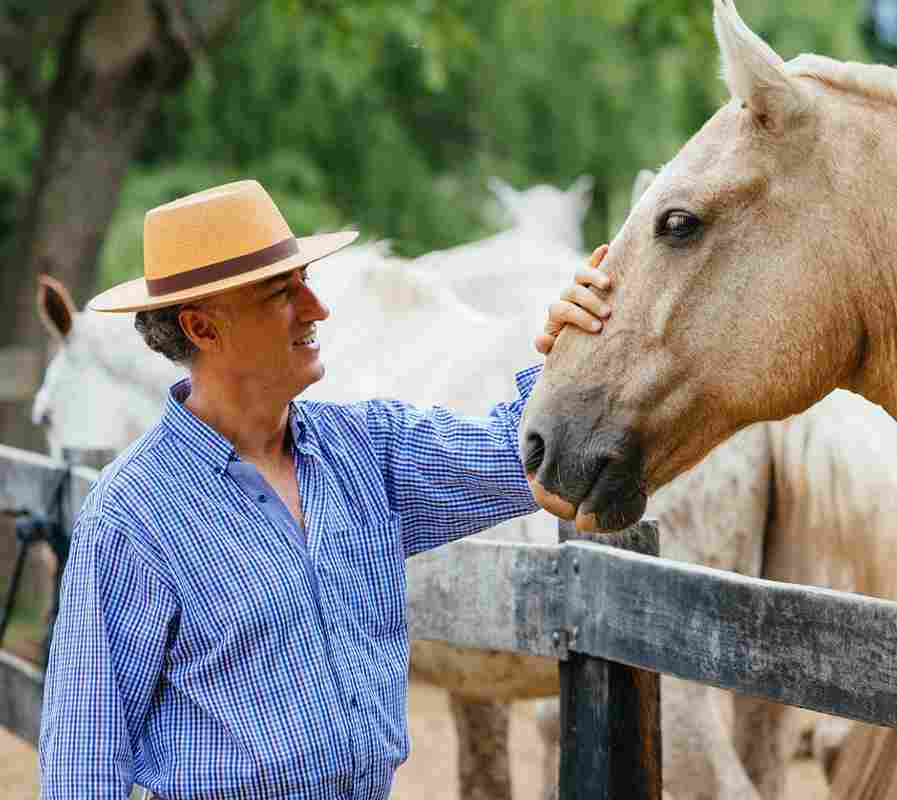
San Antonio de Areco has long been known for its gaucho heritage, artisans, and slow-paced rural charm. But in recent years, a quieter movement has been taking shape: a renewed appreciation for craft food production rooted in origin, technique, and honest flavor.
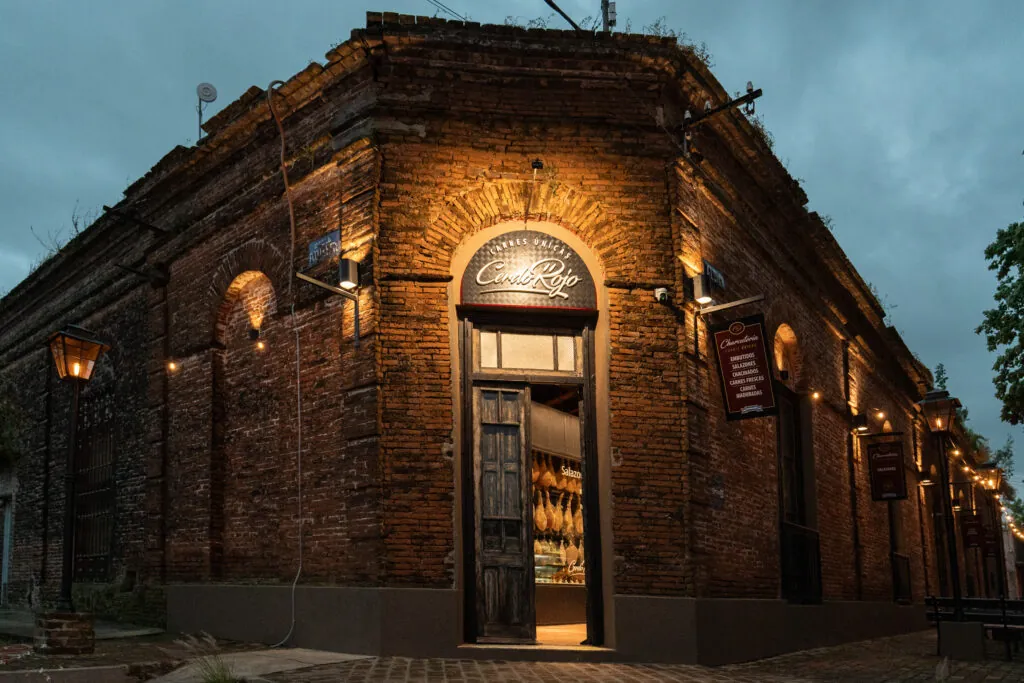
Cerdo Rojo, the newest addition to the local culinary scene, embodies that shift with unusual clarity. This recently opened charcuterie occupies a historic corner of Alsina and Fitte, an address that has seen decades of neighborhood life and reimagines it as a place where craftsmanship and local identity converge around one product: pork.
Cerdo Rojo Store in San Antonio de Areco
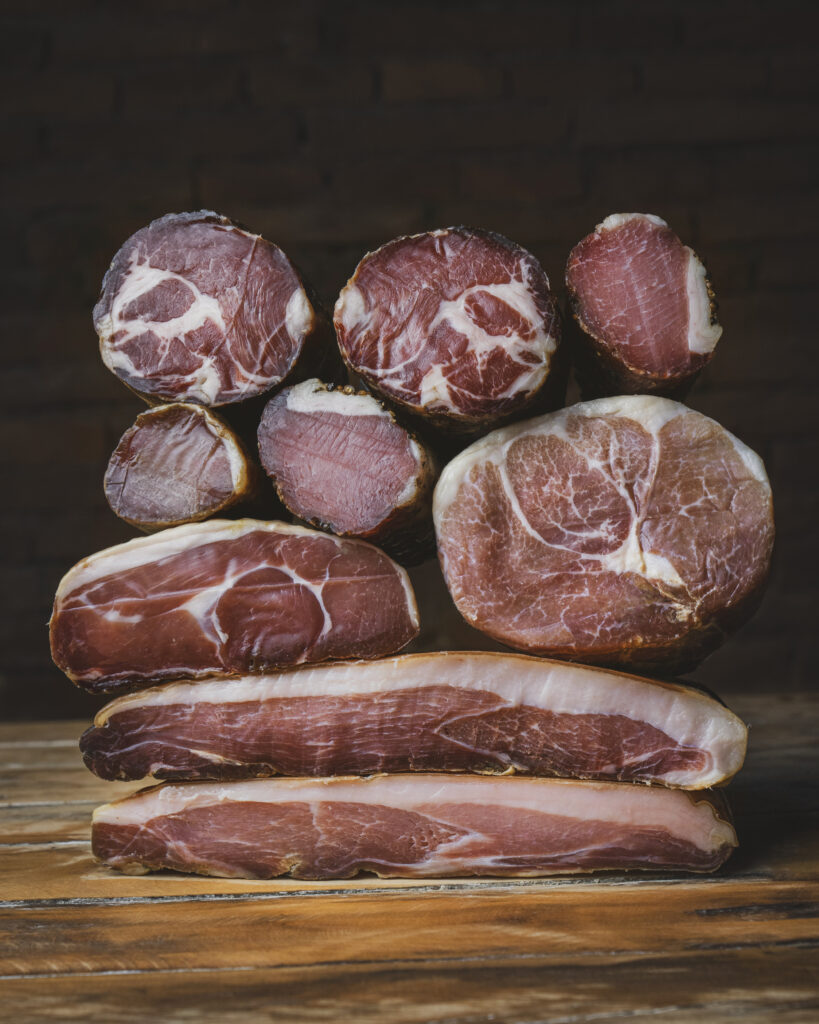
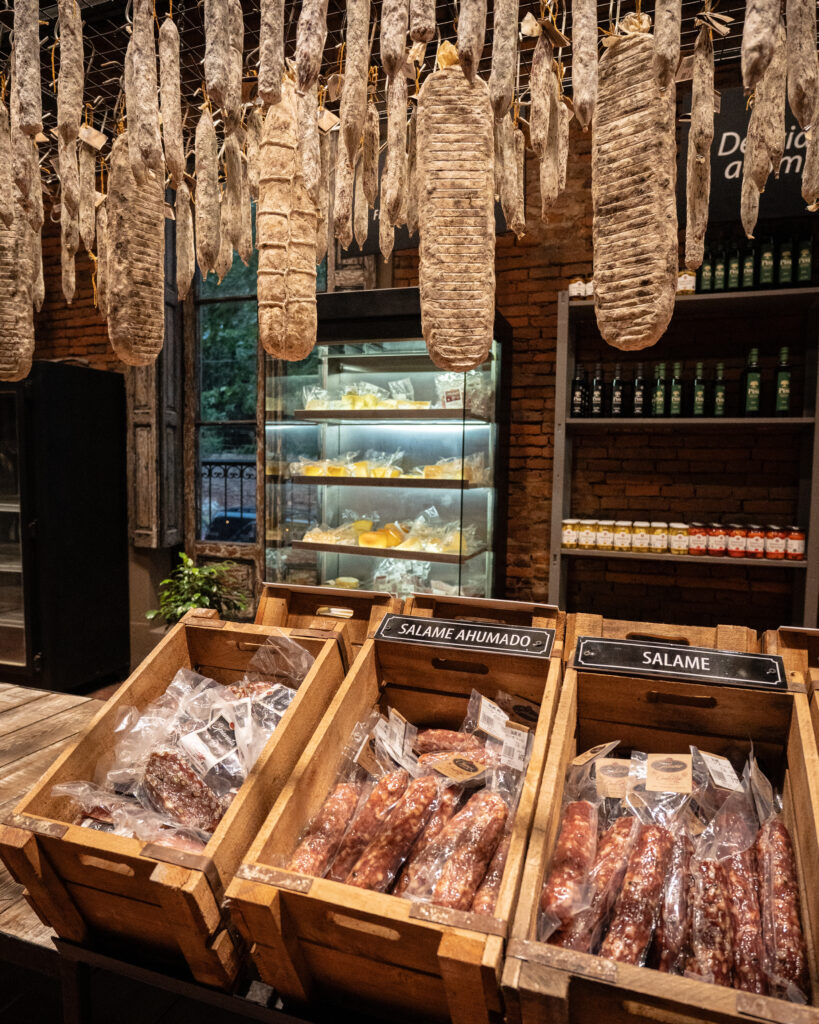
At first glance, the space feels less like a shop and more like a curated refuge dedicated to flavor. The renovation, which took three years, respects the building’s past while giving it a contemporary warmth. Exposed brick, soft lighting, and a restored wooden floor set the tone, but it’s the temperature-controlled chambers and the cellar tucked below ground that tell the real story. Behind glass doors, meats mature quietly for months, sometimes years, until they’re ready to be sliced, tasted, and appreciated.
The project is driven by two partners, Guillermo Lloveras and Alberto De Lorenzi, whose backgrounds would surprise anyone unfamiliar with the world behind charcuterie. Before founding Cerdo Rojo, they spent decades working in swine genetics.
Their work wasn’t glamorous; it involved long cycles, meticulous records, and a scientific obsession with quality. But it gave them one crucial insight: Argentina had enormous potential for producing pork that could rival the best in the world, yet the local industry remained fixated on efficiency, uniformity, and leanness, often at the expense of flavor.
Lloveras explains that while countries like Japan or Korea pay premium prices for pork that is firm, juicy, and well-marbled, Argentina’s market had long pushed the opposite direction. The industry optimized for speed and yield, producing cuts that were convenient for processing but lacked the sensory qualities that consumers truly crave. To the two partners, the gap was glaring. If the meat they envisioned didn’t exist locally, the only answer was to create it themselves.
The begginings of Cerdo Rojo
Their first step was surprisingly humble: in 2016, they opened a small butcher shop in Areco. It wasn’t a rescue plan; it was a way to introduce a different kind of pork and to educate the community on how to prepare it. The idea seemed almost rebellious in a cattle-dominated town, but it worked. Slowly, customers returned, curious chefs from Buenos Aires appeared, and eventually their pork caught the attention of the best restaurants of Argentina’s gastronomic scene. The validation was undeniable. If their product could stand alongside the best beef programs in the country, they were clearly onto something.
The butcher shop proved to be a stepping stone rather than a final destination. As their understanding of the product deepened, charcuterie emerged as the natural next chapter. Their genetic background had instilled in them a respect for slow processes, an outlook perfectly aligned with curing meats, where time becomes the primary ingredient. Some of the hams now hanging in Cerdo Rojo’s chambers mature anywhere from six months to two full years. Nothing is rushed. Precision guides every step, from the selection of raw material to salting, aging, and final curing.
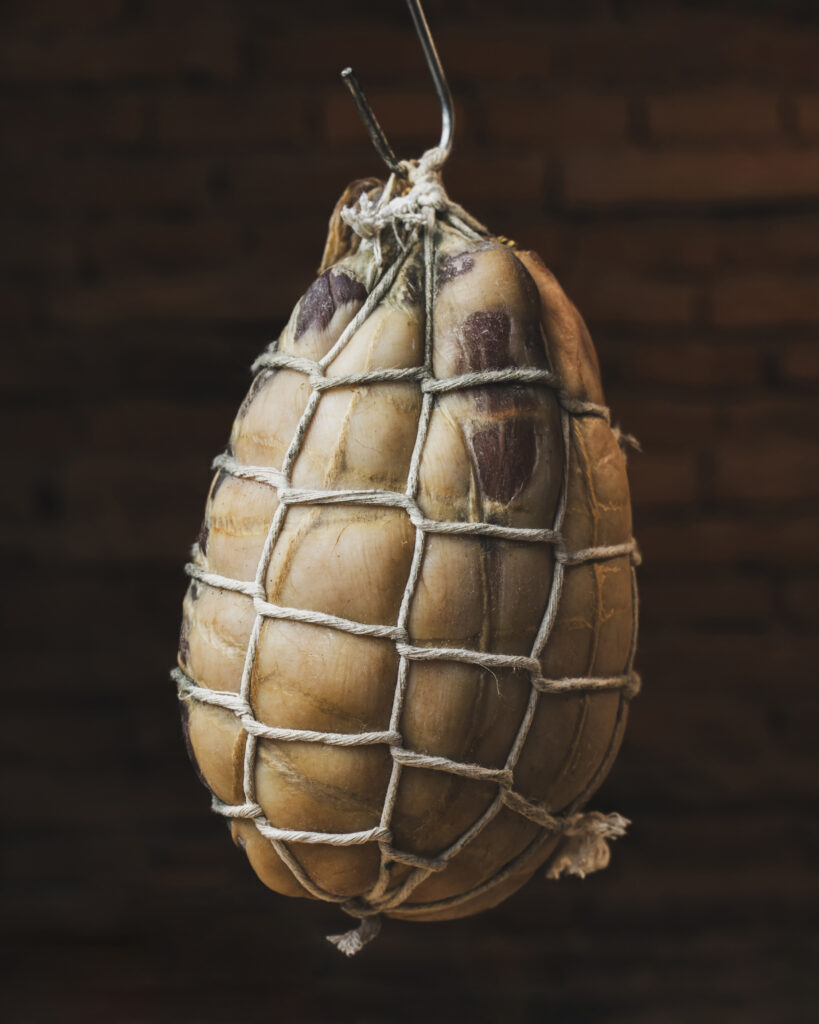
The result isn’t a European imitation. Lloveras and De Lorenzi have no interest in recreating Spanish jamón or Italian prosciutto. Their philosophy is to produce charcuterie with a distinctly Argentine identity. The pigs are raised in the Pampas, fed local grains, and shaped by genetic lines the duo refined through years of research. The outcome is a flavor profile anchored in the region’s agricultural heritage but elevated with techniques learned from traditional salumeria.
What you can find at Cerdo Rojo
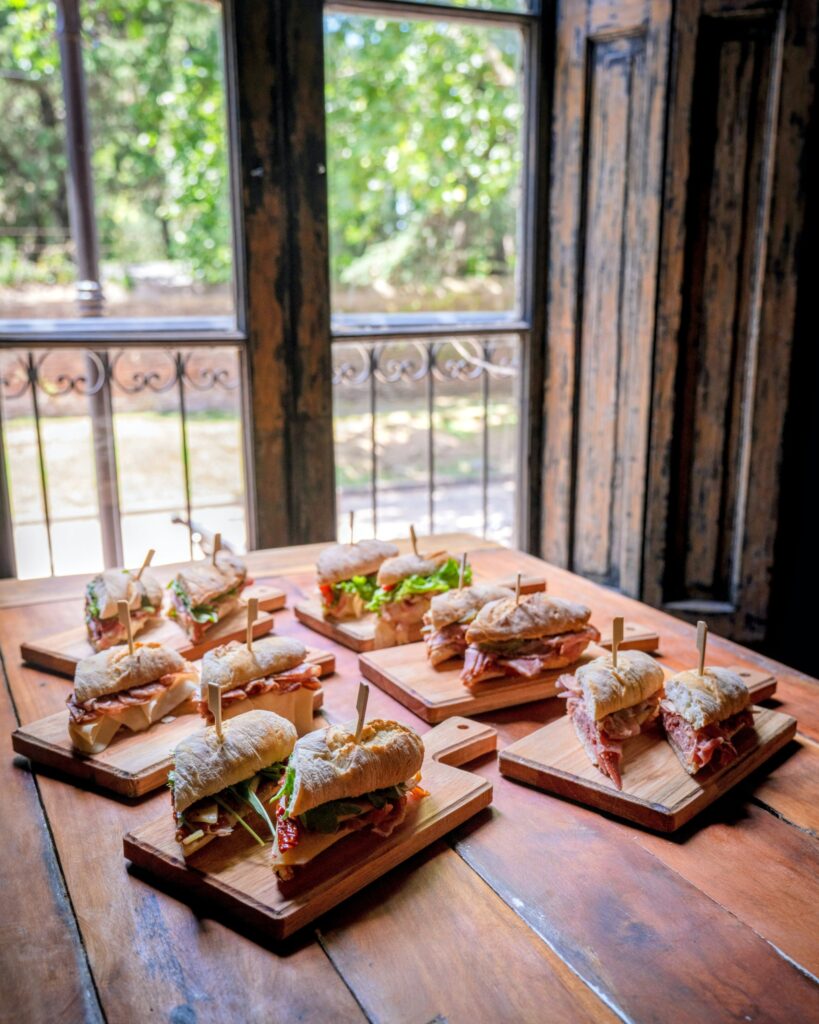
Inside Cerdo Rojo, this philosophy extends beyond the cured meats themselves. Customers can shop freely, almost like a hybrid between a specialty market and an interpretive space or sit down to enjoy boards and sandwiches assembled with their premium cuts. The boards have become local favorites: generous selections of salame, chorizo seco, mortadella, ham, Spianata, pâtés, artisan cheeses, and seasonal pickles. One board, named Don Segundo, is a crowd-pleaser designed for sharing, while Cerdo Rojo’s signature selection highlights the diversity of their cured meats with a more focused approach.
The sandwich menu follows the same logic of simplicity and product-first thinking. A ham-and-butter sandwich made with fresh bread pays homage to classic flavors, while their mortadella with stracciatella and pesto offers a more modern interpretation. Even traditional combinations, like ham and cheese or salami with tomatoes and lettuce, feel redefined by the quality of the meats involved. Everything is deliberate, stripped of gimmicks, and built around showcasing the craftsmanship that happens behind the scenes.
Pickled vegetables, all made in-house, provide bright counterpoints to the richness of the charcuterie. From vinegar chili peppers to natural baby cucumbers, and seasonal vegetables preserved with care, each element is meant to echo the house philosophy: honest products, thoughtfully prepared, without shortcuts.
Duroc GP specialists
Beyond the food itself, Cerdo Rojo carries an underlying mission. The partners want to encourage the development of high-quality pork across Argentina. They advocate for Duroc GP, a genetic line they work with, which aims to establish a unified seal of origin and quality for artisanal pork producers. Their goal is not exclusivity but replication: if more producers adopt these standards, the country could redefine its position in global pork production while offering consumers superior cuts with recognizable identity.
In that sense, Cerdo Rojo is both a charcuterie and a statement. It challenges long-standing perceptions about pork, contests the idea that speed is more important than flavor, and highlights the power of artisanal processes in a world often driven by shortcuts. It also reinforces that the Pampas, usually associated with beef, has more stories to tell, particularly when craftsmen with patience, vision, and scientific background take the lead.
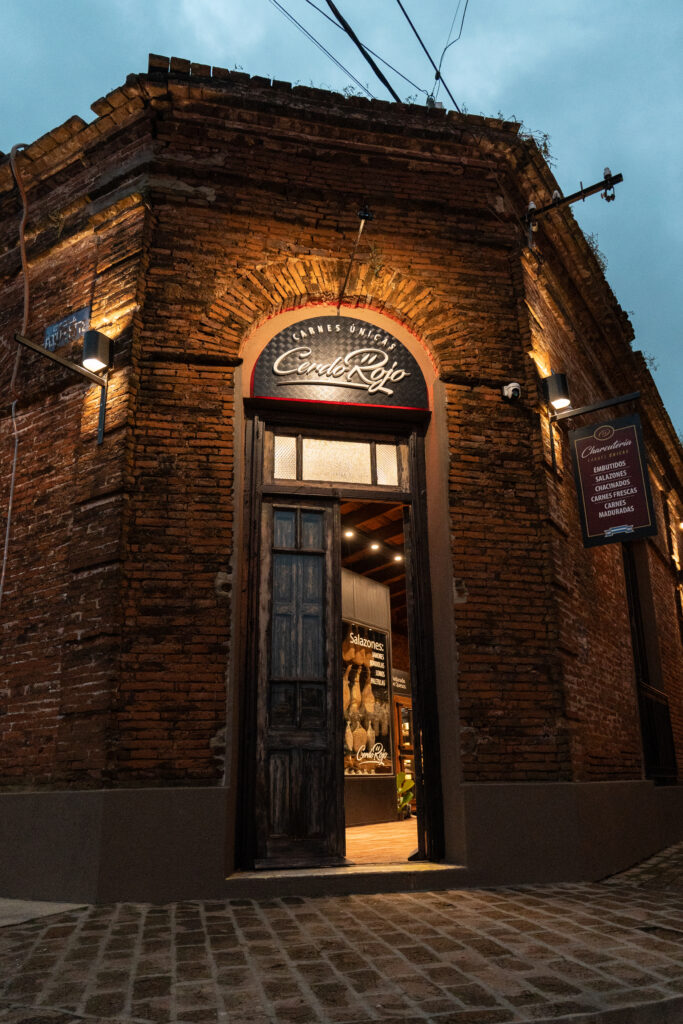
Walking into Cerdo Rojo means stepping into a space where food is treated with respect and curiosity. The aroma of smoked and cured meats, the quiet hum of cooling chambers, and the sight of hams aging slowly combine to create an atmosphere that feels almost suspended in time. The passion behind the project is not loud or ostentatious; it reveals itself through the details, the textures, and the deliberate pace that defines everything they do.
Outside, Areco maintains its slow rhythm. Inside Cerdo Rojo, something different unfolds, steady, meticulous, and guided by the belief that great flavor takes time. In a town where tradition is part of the landscape, this new endeavor adds a fresh layer: a modern expression of craftsmanship rooted in science, patience, and the unique identity of the Pampas.
Share in socials
WANT TO KNOW THE 'GAUCHO ARGENTINO'? BOOK A TOUR!
You may also be interested in:

The Best Cultural Tours in Argentina for First-Time Visitors
First-time visitors to Argentina face a specific problem: too many options, most of them mediocre, and almost no way to…
Estancia Vigil: A Testament to Argentine Winemaking Excellence
How did Alejandro Vigil's journey in winemaking begin? Alejandro Vigil's passion for viticulture ignited during his formative years in Mendoza,…
Vineyard near Buenos Aires Experience
Vineyard near Buenos Aires Experience The Legacy of Colonial Winemaking: A Journey Through Argentina's Vineyards Argentina is celebrated worldwide for…