


Introduction to Argentina Cattle Ranches: Life and Tradition on Livestock Ranches

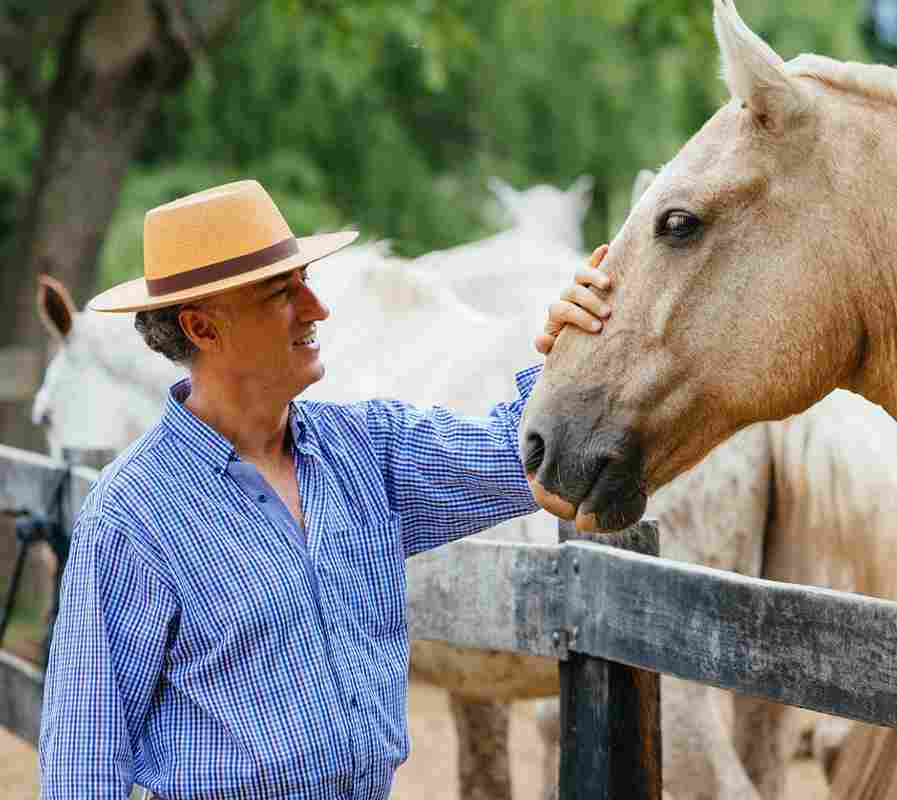
Cattle ranching has been an integral part of rural life in many parts of the world, symbolizing hard work, tradition, and a deep connection with the land. The vast, open spaces, livestock management, and agricultural practices all contribute to the distinctive lifestyle found on a cattle ranch. Whether in the United States, Latin America, or Argentina, ranching has evolved into a powerful industry and cultural icon.
For many, visiting a cattle ranch offers a glimpse into this unique lifestyle. It’s a chance to step away from city life, experience nature, and immerse oneself in traditions that have been passed down through generations. In Argentina, cattle ranches are known as estancias, and they offer a blend of history, livestock management, and cultural experiences that attract tourists from around the world.
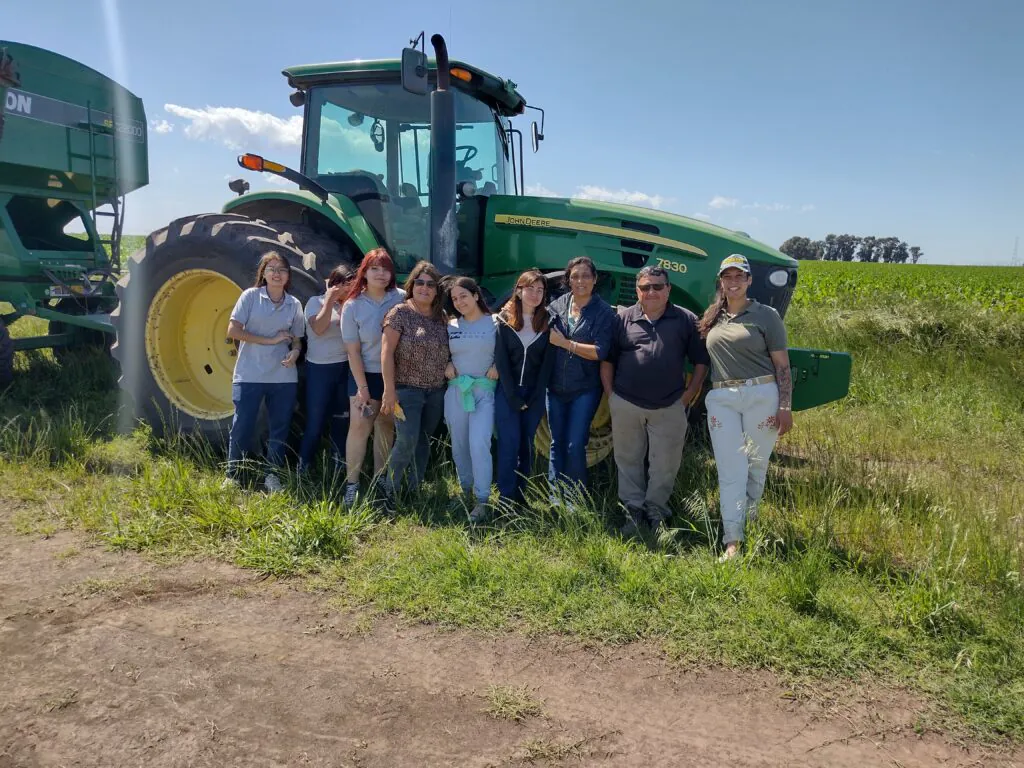
The History of Cattle Ranching and Its Evolution
The practice of cattle ranching dates back centuries, evolving significantly over time. Ranches were initially established as a means of managing livestock for meat, milk, and other resources. In Argentina, cattle ranching began to flourish during the 19th century, as large expanses of fertile land provided the perfect environment for raising cattle.
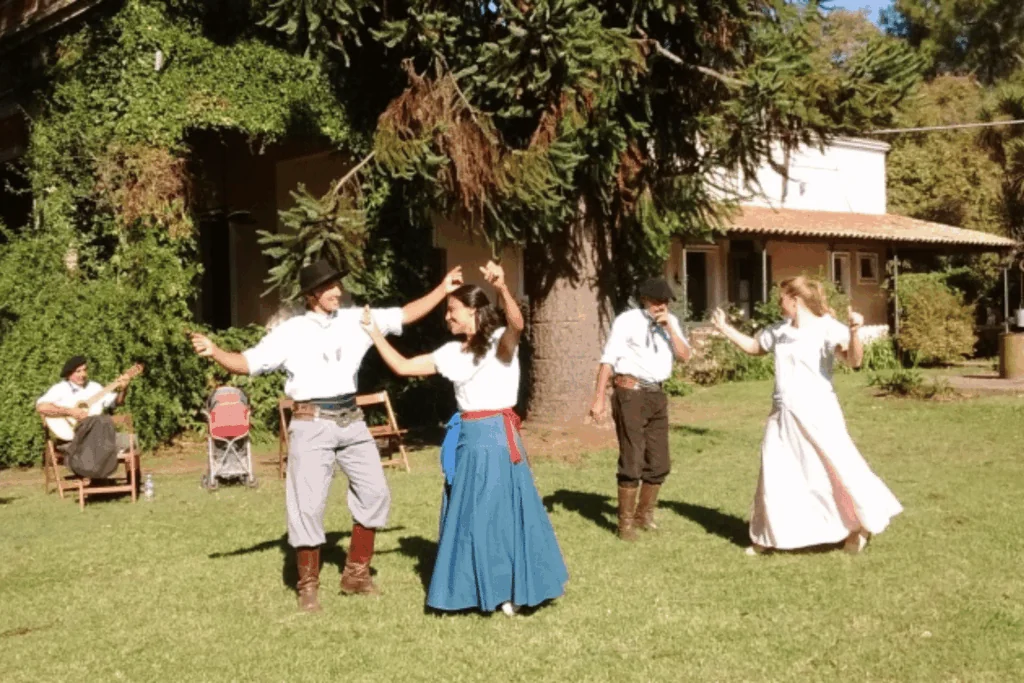
During this period, the traditional figure of the gaucho emerged—a symbol of the Argentine cowboy who worked the vast pampas and cared for cattle. Gauchos played a vital role in the management of herds, and their customs and skills are still revered in today’s cattle ranching culture.
With advancements in technology and agricultural practices, cattle ranching has modernized, but its core values of hard work, self-sufficiency, and a close relationship with the land remain intact. Visitors to Argentine estancias today can still experience a glimpse of this traditional lifestyle.
Cattle Ranching in Latin America: The Importance of Ranches in Argentina
In Latin America, and especially in Argentina, cattle ranching holds tremendous economic and cultural importance. The country’s vast plains, known as the Pampas, provide the perfect landscape for large-scale ranching operations. Argentina is one of the world’s leading beef producers, with cattle ranches forming the backbone of its agricultural sector.
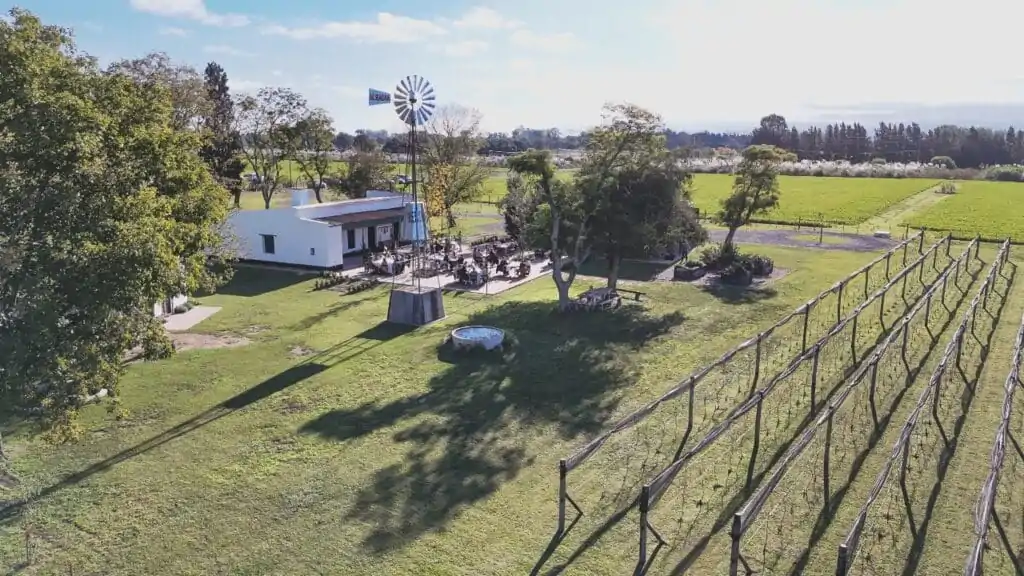
For those visiting Buenos Aires, the nearby estancias offer a window into rural life. These ranches are more than just agricultural hubs; they are centers of culture, where visitors can learn about Argentina’s history, traditions, and connection to the land. At Camino Pampa, for example, guests can participate in authentic Argentine asados (barbecues), learn about livestock management, and even ride horses across the sprawling fields, experiencing the natural beauty of the Pampas firsthand. Read more about it in our Estancia Day Tour.
Argentina vs. USA: How Cattle Ranches Compare
For American visitors, one of the most surprising aspects of visiting an Argentine estancia is how different it feels from a cattle ranch back home — even though both are rooted in the same core traditions of livestock, open land, and cowboy culture. The differences, however, go far deeper than geography.
Scale and Landscape
In the United States, cattle ranching spans a wide range of environments — from the dry plains of Texas to the mountain valleys of Montana — and large-scale operations often rely on feedlots, where cattle are confined and grain-fed to accelerate growth. In Argentina, the Pampas offer something different: an almost perfectly flat, endlessly fertile grassland that stretches for hundreds of miles. Here, cattle roam freely across open pastures and feed entirely on grass, which is the norm rather than the exception. The result is beef that is leaner, more intensely flavored, and raised with minimal intervention — a reflection of the land itself.
The Cowboy and the Gaucho
Both cultures have their iconic horseman, but the gaucho and the American cowboy, while sharing a common spirit, are distinct in almost every other way. The American cowboy emerged from the frontier tradition of the 19th century, shaped by cattle drives and the expansion westward. The gaucho, by contrast, developed his identity on the Pampas centuries earlier, blending Indigenous, Spanish, and African influences into a deeply rooted cultural figure.
The gaucho’s tools and dress are unique: the traditional bombacha (loose pleated trousers), the wide-brimmed hat, the faja (woven belt), and the boleadoras — a throwing weapon made of weighted cords, used to bring down cattle and game. Where the American cowboy is often romanticized through Hollywood, the gaucho is celebrated through Argentine literature, poetry, and folk music. He is not just a ranch worker; he is a national symbol.
The Asado vs. the BBQ
Few cultural differences are as immediately felt as the contrast between an Argentine asado and an American barbecue. In the United States, BBQ is beloved but informal — a backyard gathering, burgers and hot dogs, food ready in under an hour. An asado is something else entirely. It is a slow, ceremonial affair, presided over by the asador, who tends a wood-fire grill called the parrilla with quiet precision. Cuts like asado de tira (short ribs), vacío (flank), and chorizo cook low and slow for hours. There is no rushing an asado. It is as much about the conversation, the wine, and the shared time as it is about the food.
Ranch as Business vs. Estancia as Culture
In the United States, a cattle ranch is primarily an agricultural enterprise. Efficiency, yield, and market prices drive most decisions. The Argentine estancia, particularly in the Buenos Aires province, carries a different weight. Many estancias were established in the 19th century as the seats of powerful landowning families, and their architecture, gardens, and traditions reflect that history. Visiting one is as much a cultural and historical experience as it is an agricultural one — something that has no real equivalent in American ranch tourism.
Rural Tourism in Buenos Aires: A Unique Experience with Camino Pampa
At Camino Pampa, we pride ourselves on offering foreigners a truly immersive experience in Argentine ranch life. Our estancia near Buenos Aires is an ideal spot for those looking to escape the city and experience something entirely different. From guided tours around the ranch to hands-on activities like cattle herding and horseback riding, we tailor our experiences to give each visitor a personal connection to the Argentine countryside.
We’ve found that many of our guests, who are often from urban environments, are fascinated by the simplicity and authenticity of ranch life. Walking through the fields, watching the cattle roam freely, and engaging in local traditions provide a refreshing contrast to modern life. It’s more than just a tour; it’s about creating memories that highlight the deep bond between humans, animals, and nature.

Daily Life on a Cattle Ranch: Traditions and Customs
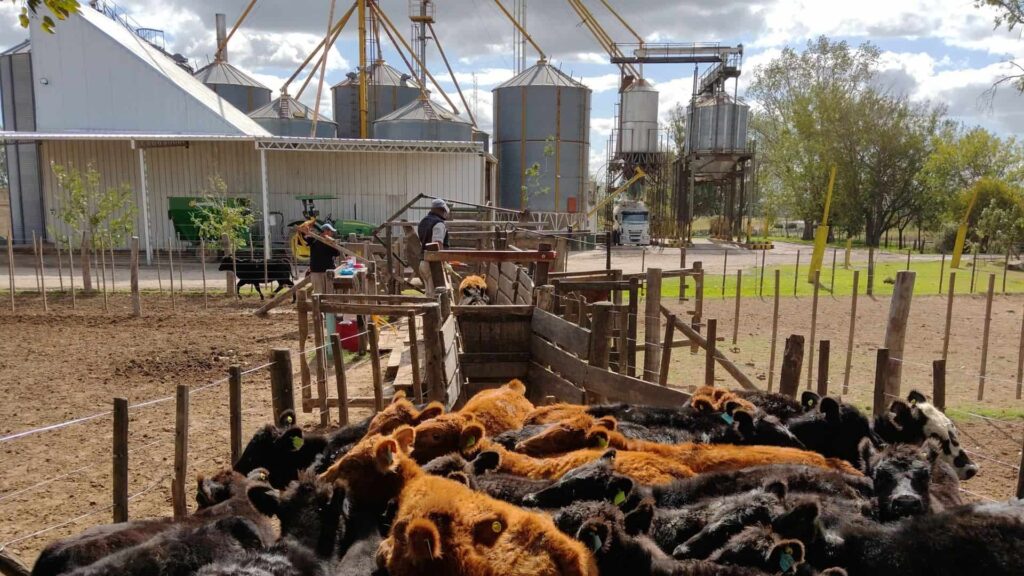
Life on a cattle ranch follows a rhythm deeply tied to the land and the animals. The day often starts early, as ranchers tend to the needs of their livestock. Cattle must be fed, pastures checked, and fences maintained. Depending on the season, there may be tasks like branding, vaccination, or rounding up cattle for market.
At Camino Pampa, we introduce our visitors to these daily routines, allowing them to witness and sometimes participate in the tasks that keep a ranch running. One of the highlights for many is learning about the role of the gauchos, whose skills in horseback riding and cattle management are essential to the ranch. We show our guests how these traditions have been preserved over centuries, offering a true connection to Argentina’s cultural heritage.
The Role of Cattle in Ranching: A Pillar of Livestock Management
Cattle are the heart of any ranch, and managing these animals is both a science and an art. In Argentina, cattle ranching is about more than just raising animals for beef—it’s about sustainability, environmental stewardship, and the care of the land.
At Camino Pampa, we teach our guests about the intricacies of livestock management. From pasture rotation to ensure the health of the land, to the careful breeding practices that maintain the quality of the cattle, every aspect of ranching is vital. Our visitors often leave with a deeper understanding of the care and precision required to maintain a healthy, sustainable cattle ranch.
Field Experiences for Foreigners: Connecting with Nature in Buenos Aires
Foreign visitors to Camino Pampa often comment on the profound sense of peace they feel during their time on the ranch. The vast, open spaces, the sounds of the animals, and the endless horizon all contribute to an experience that is both relaxing and invigorating.
For many, activities like horseback riding or hiking through the Pampas are a highlight of their visit. These experiences allow them to connect with nature in a way that feels authentic and unhurried. Whether they’re learning to ride for the first time or watching a herd of cattle move across the fields, visitors are given a rare opportunity to slow down and appreciate the beauty of the rural landscape.
Why Choose a Cattle Ranch in Argentina: Benefits of Rural Tourism
Rural tourism, particularly on cattle ranches, offers a unique blend of adventure, relaxation, and education. Choosing an estancia like Camino Pampa allows visitors to experience a side of Argentina that they won’t find in the bustling city of Buenos Aires. From the rich history of the gauchos to the incredible culinary experiences (like an authentic Argentine asado), a stay at a cattle ranch is both a cultural and sensory delight.
Moreover, rural tourism promotes sustainable travel. By supporting local ranches, tourists help preserve the traditions and livelihoods of rural communities, while also promoting responsible tourism that respects the land and its inhabitants.
Best Time of Year to Visit an Estancia Near Buenos Aires
One of the first things to keep in mind when planning a visit from the United States is that Argentina’s seasons are the reverse of those in the Northern Hemisphere. When it’s summer in New York or Los Angeles, it’s winter on the Pampas — and vice versa. That said, the Buenos Aires region has a temperate climate year-round, which means there is truly no bad time to visit an estancia. Each season offers a different experience.
Spring (September – November): The Sweet Spot
Spring is widely considered the best time to visit. The Pampas come alive with green pastures, wildflowers, and mild temperatures ranging from the mid-60s to the low 80s°F (18–28°C). Cattle are active across the fields, the days are long, and outdoor activities like horseback riding and hiking are at their most comfortable. For travelers coming from the US, a fall or early winter trip at home lines up perfectly with Argentine spring.
Summer (December – February): Warm and Vibrant
Argentine summer brings heat — temperatures can reach the high 80s to mid-90s°F (30–35°C) on the Pampas — but also the most energetic and social version of ranch life. This is peak asado season, and the long evenings are ideal for outdoor dining under the open sky. If you don’t mind the heat, summer visits offer a lively, immersive atmosphere. Many American visitors plan this trip around the December holiday season, making it a memorable alternative to a traditional winter vacation.
Fall (March – May): Quiet and Golden
Fall on the Pampas is a quieter, more contemplative time. The heat fades, the light turns golden in the late afternoons, and the pace of ranch life slows just enough to feel deeply relaxing. Temperatures are comfortable (mid-60s to low 70s°F / 17–23°C), and the landscape takes on warm, earthy tones. This is an ideal season for travelers who prefer fewer crowds and a more unhurried experience.
Winter (June – August): Cool, Uncrowded, and Underrated
Argentine winters near Buenos Aires are mild compared to most of the United States — temperatures rarely drop below 45°F (7°C) — and the estancias are far less crowded. The days are shorter, but the atmosphere is cozy and intimate, with bonfires, hearty ranch meals, and the simple pleasure of wide-open space in the cool air. For Americans traveling during the US summer, this is an excellent time to find a more private, peaceful experience.
The Future of Cattle Ranching: Sustainability and Cultural Preservation
The future of cattle ranching in Argentina, as in many other parts of the world, hinges on sustainability. As global demand for meat rises, ranches must balance production with environmental stewardship. At Camino Pampa, we’re committed to practices that protect the land for future generations while also preserving the cultural heritage of cattle ranching.
For visitors, this means a chance to see firsthand how traditional methods are being adapted to meet modern challenges. Our tours often include discussions about sustainability and the ways in which ranches like ours are working to reduce environmental impact while maintaining the integrity of our livestock and land management practices.
Share in socials
WANT TO KNOW THE 'GAUCHO ARGENTINO'? BOOK A TOUR!
You may also be interested in:

The Best Cultural Tours in Argentina for First-Time Visitors
First-time visitors to Argentina face a specific problem: too many options, most of them mediocre, and almost no way to…
Estancia Vigil: A Testament to Argentine Winemaking Excellence
How did Alejandro Vigil's journey in winemaking begin? Alejandro Vigil's passion for viticulture ignited during his formative years in Mendoza,…
Vineyard near Buenos Aires Experience
Vineyard near Buenos Aires Experience The Legacy of Colonial Winemaking: A Journey Through Argentina's Vineyards Argentina is celebrated worldwide for…